Introduction
Everyone has different tastes, whether it’s; music, books, movies, or anything. It is the same for paint. Some people prefer oil paint, some prefer watercolours, acrylic, gouache or even tempera. The paint that I favour more is acrylic. One of the key features that I adore is that it drys quickly, unlike quite a few other paints. If you play around with it or mix it, it will turn into a thick, buttery consistency. Once it becomes thick you will be able to add texture to your painting. In this blog I will be talking about various techniques using acrylic paint, I will also provide visuals for better understanding.
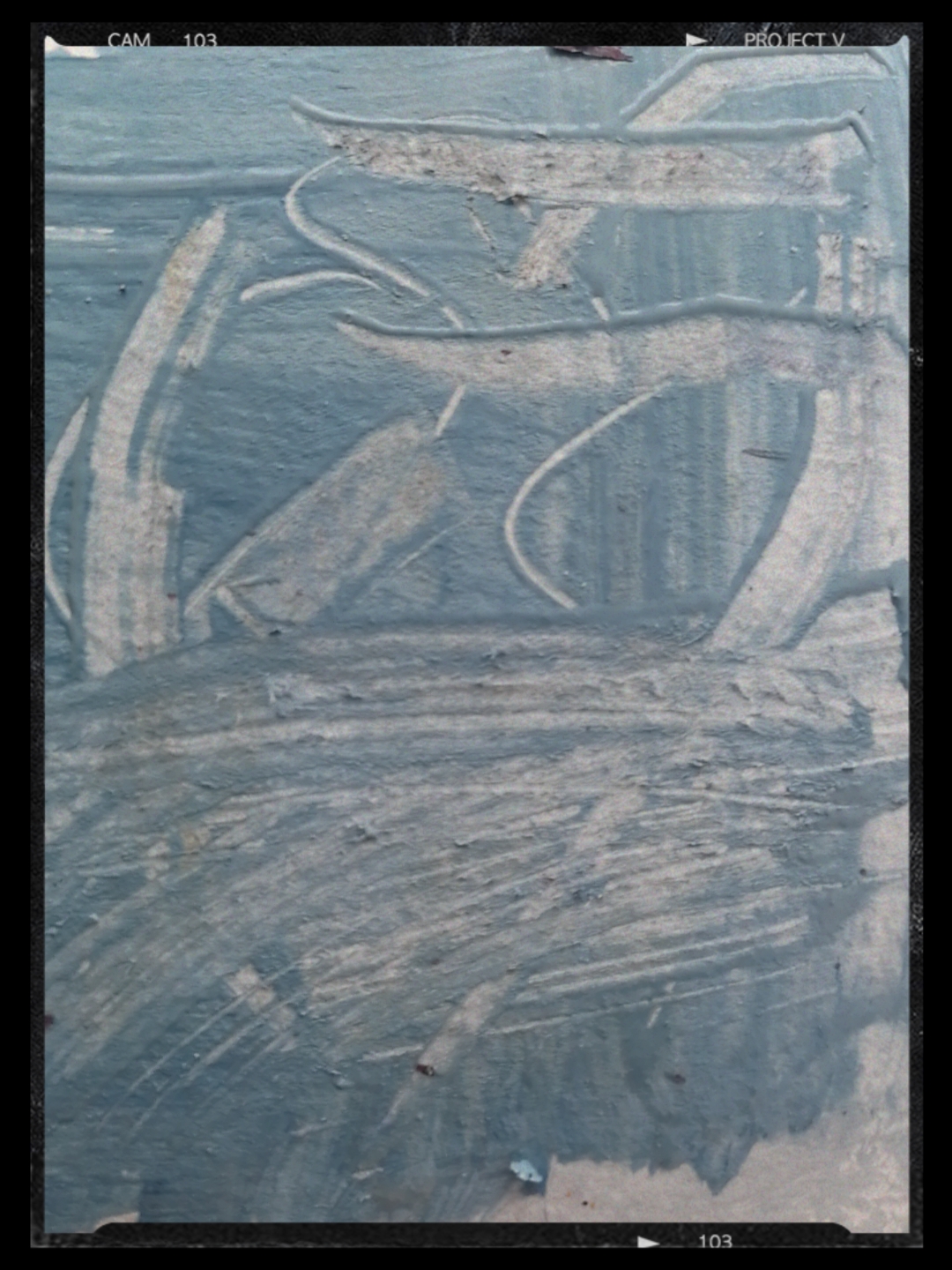
Sgraffito (Scratch)
This term comes from the Italian word: sgraffire, which literally means ‘to scratch’. This techniques involves scratching the top layer of paint that is still wet. The point is to reveal the bottom layer, the bottom layer could have another layer of paint or just the white canvas. You can use any object to do this technique, some examples are; the end of a paintbrush, the corner of a card, a palette knife or even your fingernail.
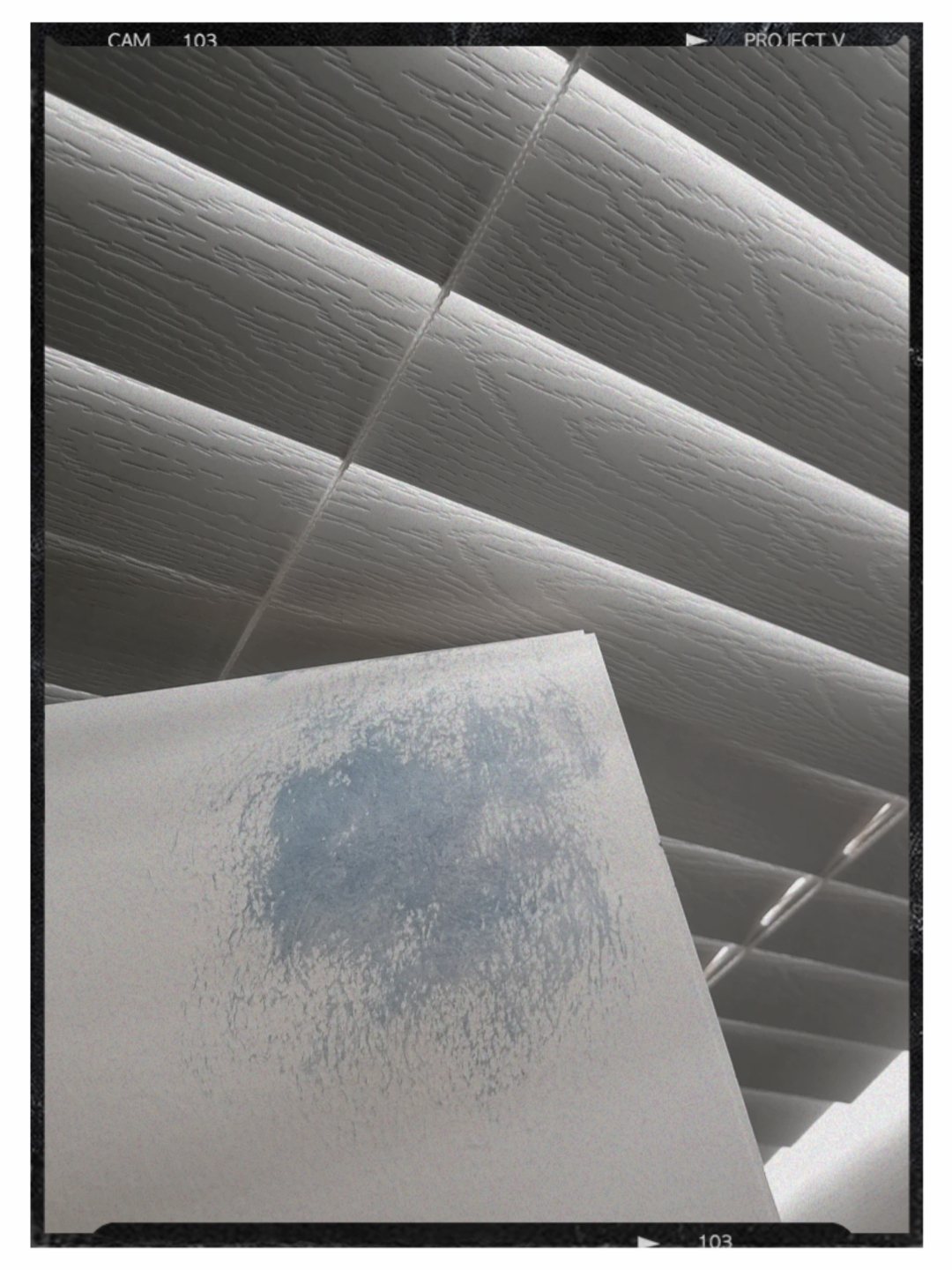
Dry Brushing
This a great technique to add texture, highlights and/or dimensions. If you look close at a painting, especially landscape paintings, you will notice this technique. You can use this technique to create clouds – this will give the clouds more value and texture, you can also create streaks of grass. Now what does a dry brush feel like and how do you make the paint “dry”? All you have to do is; load your brush with paint, and dab it on another surface. It should still hold the paint but at the same time, be relatively dry. When you put your brush on your surface, the brush strokes should look scratchy, it should lack the smooth texture that normal paint has.
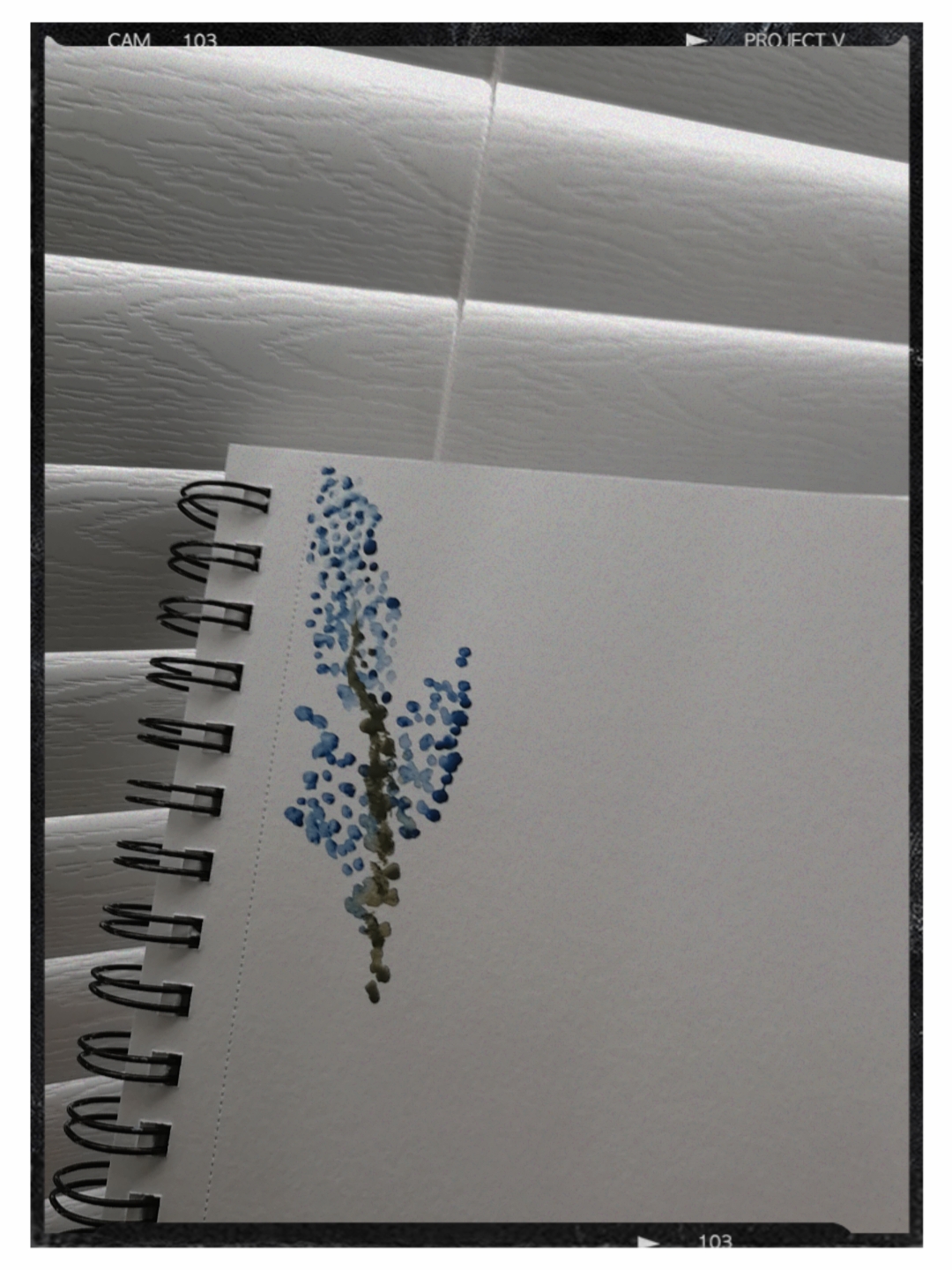
Stippling
Stippling is method where you can add great detail into your paintings. This technique involves individual dots that are used to imply the shape, texture, or shadowing of a subject. This technique is the balance of a negative and positive space. If you glance at a stippling painting from afar, you’ll be forced to fill in the empty spaces. It’s a great approach if you want to try something new, some people think of it as one of the easiest techniques but in reality, it isn’t. Especially if you’re advanced in art, you can create whatever you want to express. Beware though, stippling takes a lot of time and patience.
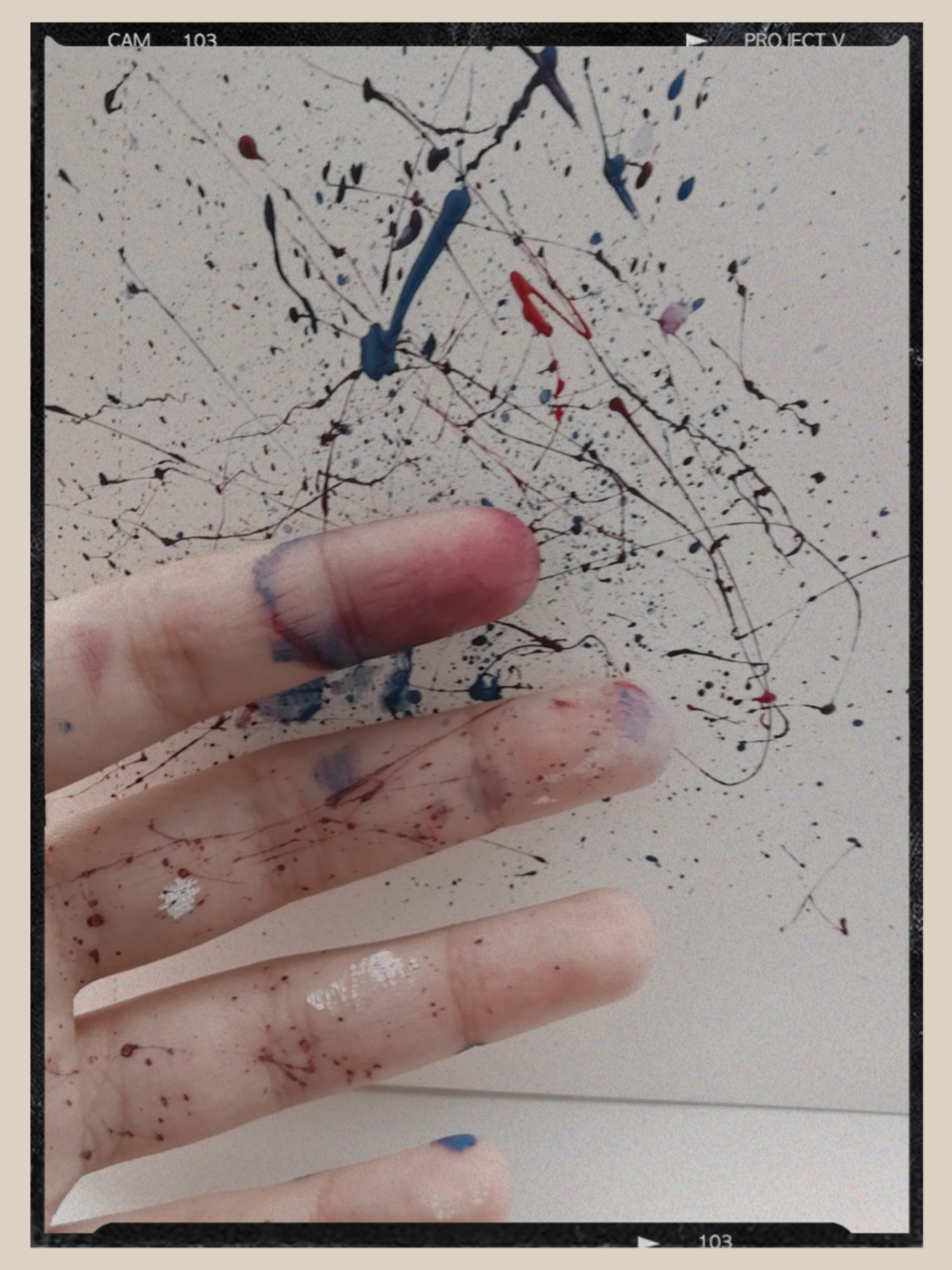
Splattering
Splattering is one of the easiest techniques, you hold the bristles of your paintbrush back and then you let go! This will create a splattered effect on your surface. You can play around with water and the paint, mix a tad amount of water into the paint and then it replicates the texture of watercolours. The watercolour texture creates a transparent look.
Using a Painting Knife
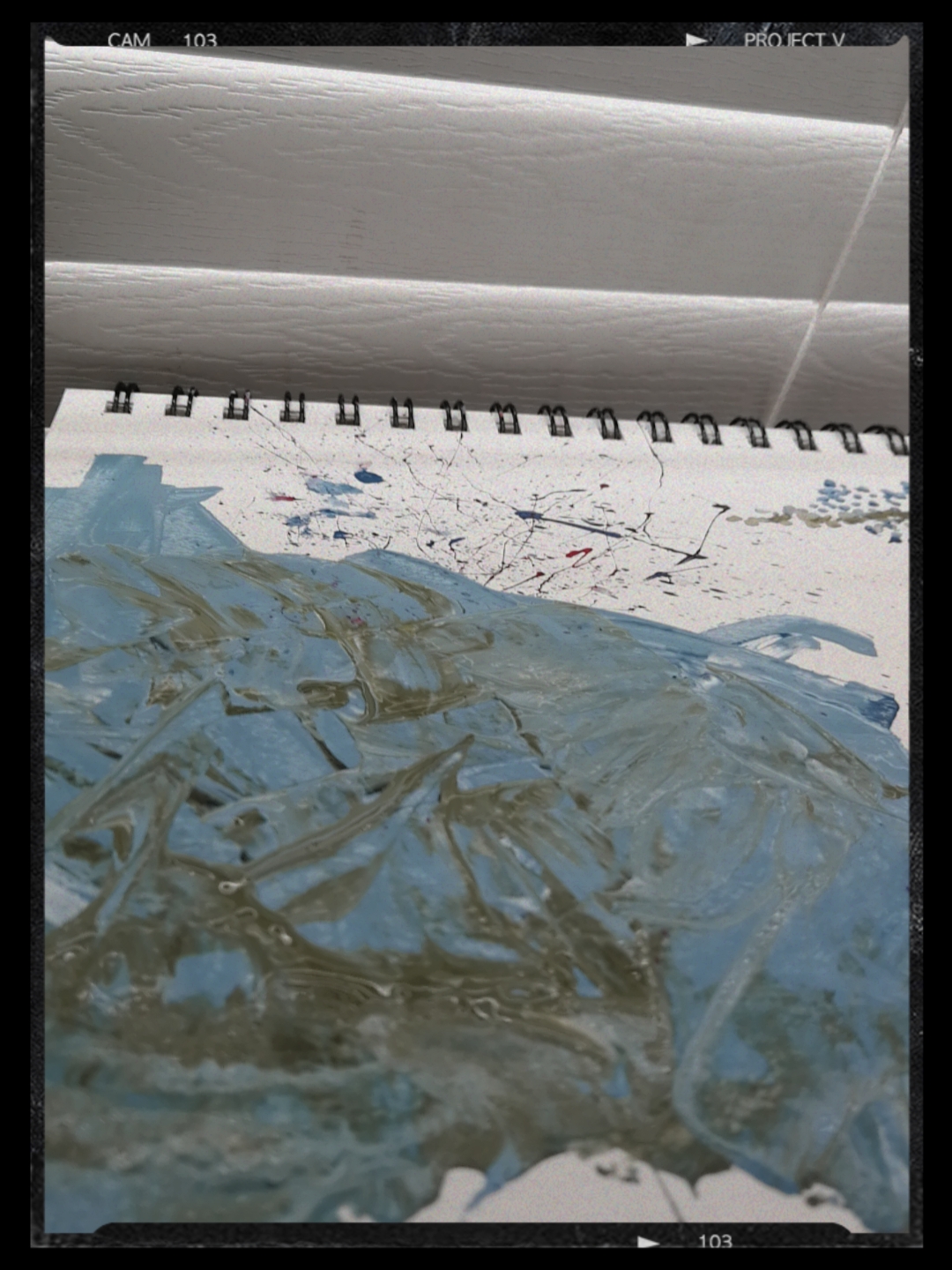
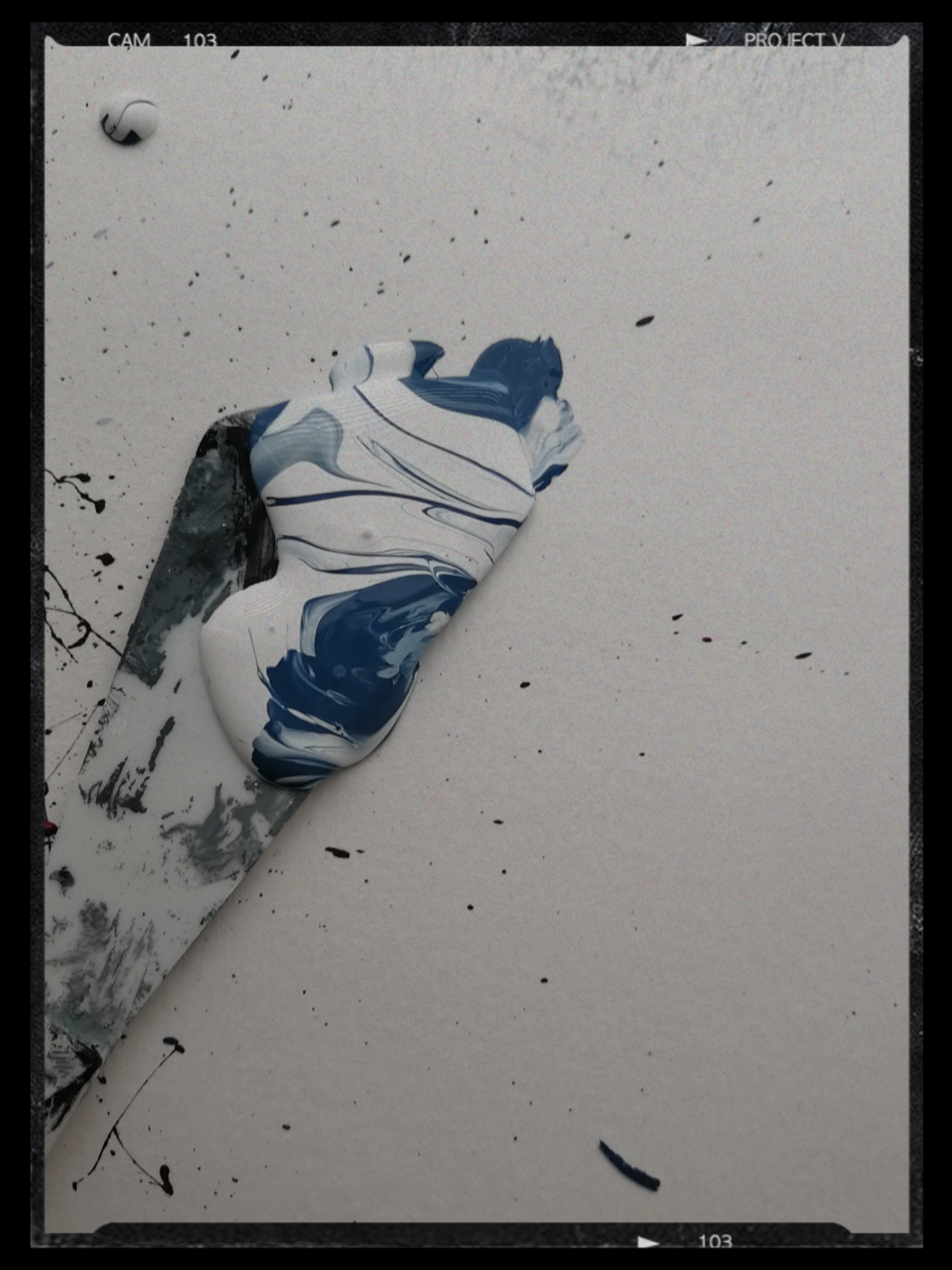
This is probably my favourite tool. I prefer using the painting knife over a brush, it allows me to emphasize important details in my artwork. This process can help you construct a variety of effects, from strokes to more refined details. If you mix the paint with a palette knife you can create a thick buttery texture (as I stated before in the introduction). This can create a smooth finish on the surface or a rough finish. It’s better to have thick paint when executing this technique, this is because, the paint will be able to hold it’s shape on the surface. You can use the edge of the knife to create sharp lines, you can also create bold strokes using the palette knife (more broad and thick), this balances out with the delicate strokes that were made by a brush.
Conclusion
I hope that you learned some techniques and will apply them into your artwork. These techniques can make your paintings more thorough and detailed, and overall, make them look amazing!
 A Stroke of Inspiration
I’ve never heard of Sgraffito before, I might try the technique the next time I paint. This post is interesting. I like the stipple technique and your example. I have seen are done with a paint knife, but I don’t have one so I haven’t been able to try it. What are your thoughts on finger paint? I’m not usually a fan of dry brush but your dry brush makes it look like the sky peaking through some clouds. What would some uses of water colour be?
LikeLike